BEE Star Label
Project Description
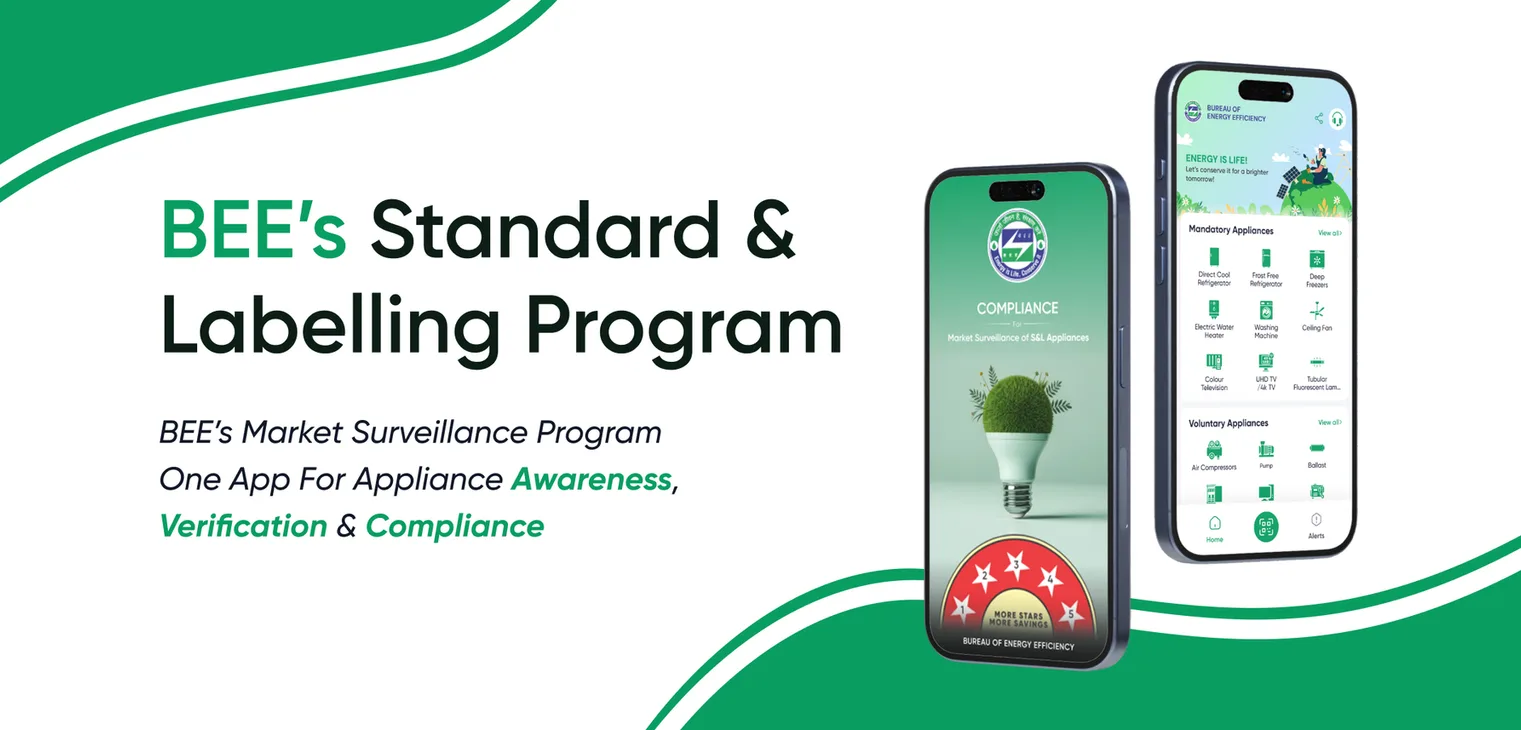
We designed and developed a unified digital platform for the Bureau of Energy Efficiency to streamline product verification, compliance monitoring, and market surveillance under the Standards & Labelling programme. A mobile-first ecosystem of a Consumer App, a Surveyor App, and an Admin Portal replaces manual verification and reporting, serving everyday consumers, field surveyors, and administrators through one connected system.
Problem
The existing process relied heavily on manual verification, reporting, and compliance tracking, creating friction for consumers, surveyors, and administrators. Star-labelled appliances were hard to verify, complaint and reporting workflows were complex, market inspections and surveys ran manually, and there was limited visibility into compliance and enforcement activities.
- Star-labelled appliance authenticity was hard to verify.
- Complaint, reporting, and compliance workflows were complex and manual.
- Market inspections ran manually, with limited visibility into enforcement.
Solution
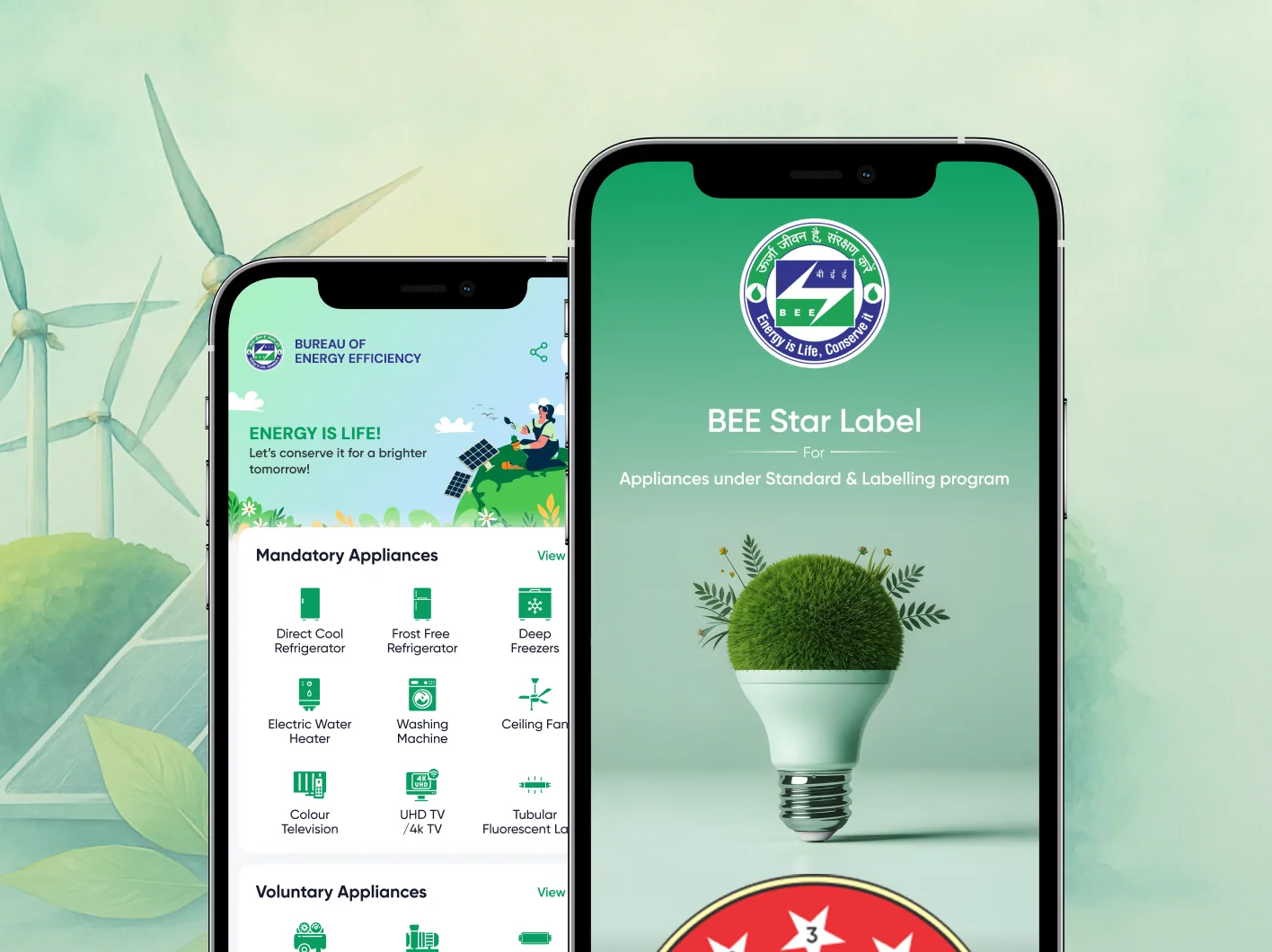
We built a mobile-first ecosystem of three connected surfaces: a Consumer App for verification, a Surveyor App for field inspections, and an Admin Portal for centralised compliance monitoring and market surveillance.
- Consumer App — search certified appliances by category, brand, and rating, verify instantly by QR scan, report non-compliant products, and get enforcement alerts.
- Surveyor App — conduct digital market inspections, validate labels against central records, capture field data on-site, and auto-generate structured compliance reports.
- Admin Portal — centralised compliance monitoring, real-time surveillance dashboards, and nationwide reporting and data management.
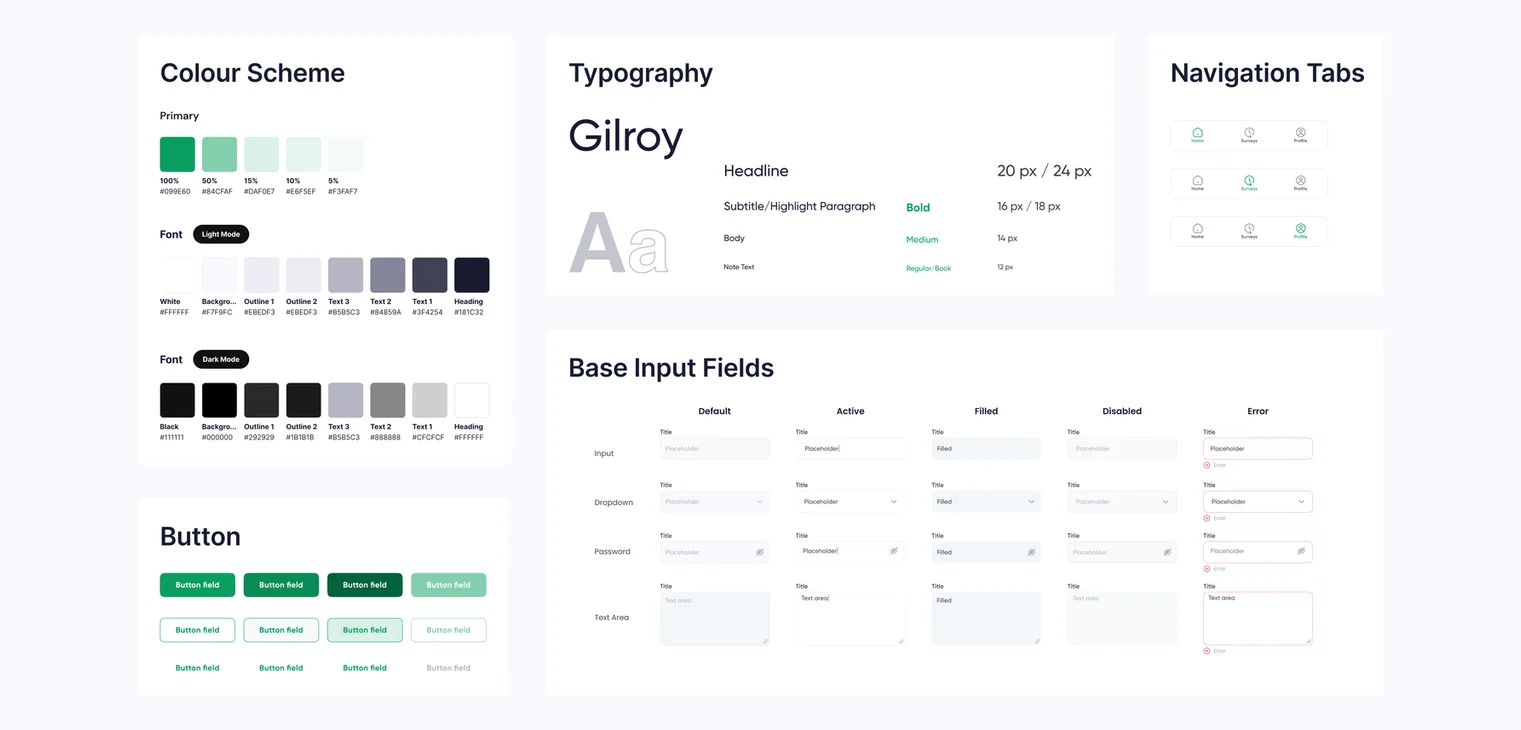
Style Guide & Components
The Result
By simplifying complex compliance workflows into intuitive digital experiences, the platform reduced operational friction and accelerated verification and reporting. Compliance verification and reporting got faster, manual effort for field teams dropped, and transparency improved across the labelling ecosystem. Administrators gained better visibility into market-surveillance activities, and consumers gained greater trust in certified products.